Skip to content
SPO2 Tips & Tricks
SPO2 Explained
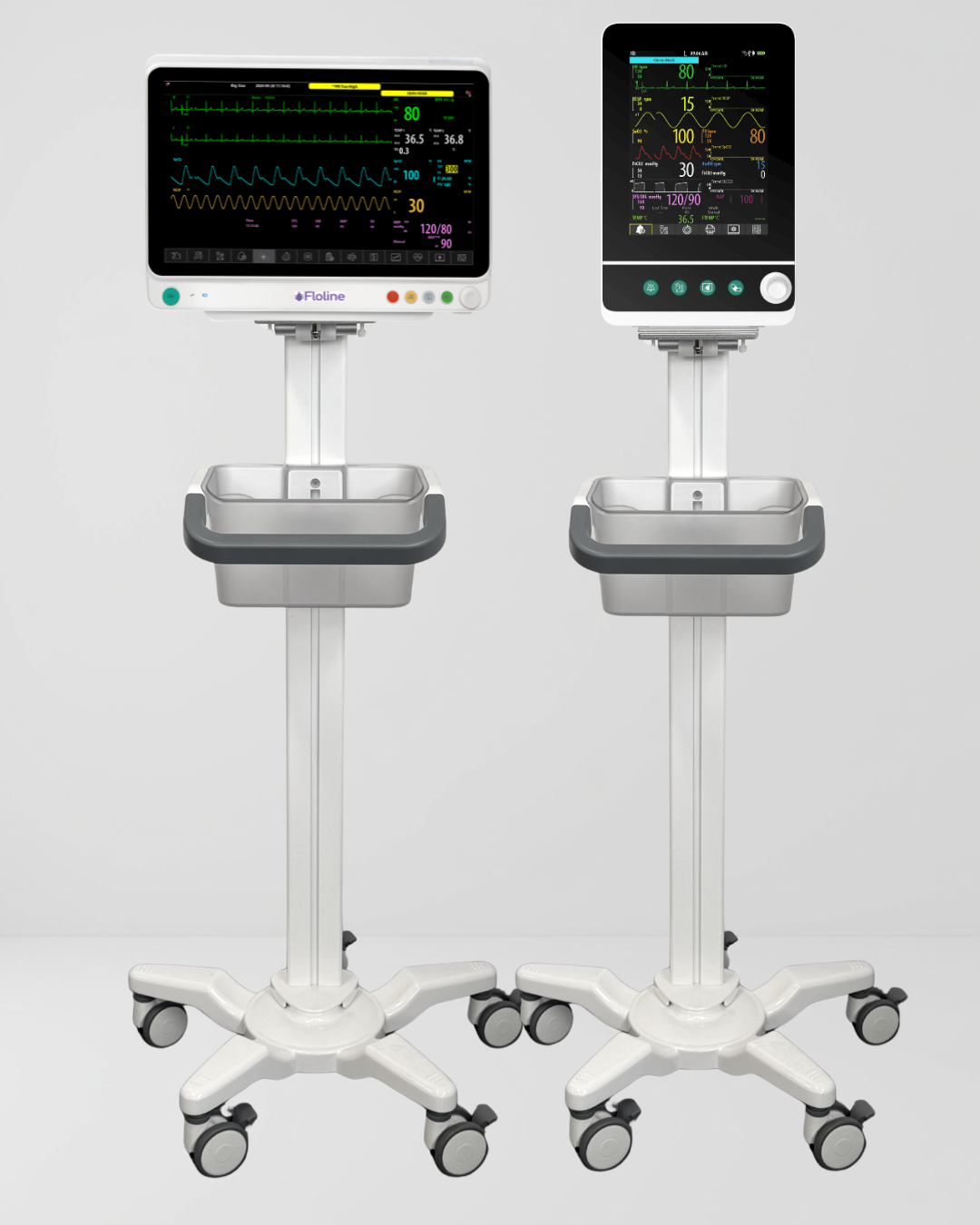
- Waveform: A clean regular pleth matching the pulse tells you the reading is real & correct. A messy wave form means your just reading noise, not O2 Saturation.
- Pulse Match: The Heart Rate on the SPO2 must match the Patients Pulse. If they don’t line up, there may be an issue with the Probe placement, spring tension, or its faulty.
- Probe Placement: Warm, Pink, Hairless areas give the best results. Tongue, Lip, Ear, Prepuce, Volva & Toe Webbing. Cold & vasoconstrictive tissue do not work. (You may need to shave the area slightly to make a good contact.)
- Perfusion: Poor Perfusion = rubbish readings. If the patient is Cold, Hypertensive, the monitor will struggle.
- Movement: Chewing, Shivering or twitching will make the reading unreliable & wrong.
- Observation: If the monitor says 87%, but the mucus membranes are pink & the ETCO2 is normal, trust the patient, not the number.
The best SPO2 Reading is a combination of Waveform + Good Pulse & basic Clinical Observation
Clip Types

How Often Should Sample Lines Be Changed?
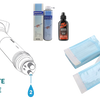
EtCO₂ sample lines play an important role in delivering accurate respiratory readings. However, continued use without changing can allow moisture, secretions and condensation to build up within the line, potentially restricting airflow and affecting the performance of your EtCO₂ monitoring system.
A small change can prevent a costly repair. Regularly replacing your EtCO₂ sample line is a simple, low-cost step that can help protect your sensor from moisture damage and safeguard the thousands of dollars invested in your monitoring equipment.