Skip to content
Basic Anaesthetic Machine Leak Testing
Why are these checks important?
• Patient safety
• Personal safety
• Correct concentrations and volumes of gases
• Preventing environmental pollution
• Economy – O2 wastage
High Pressure check - at the beginning of each surgical day
1. Turn on the oxygen cylinder at the pressure regulator
2. Note the reading on the pressure gauge
3. Check that the flow meter is turned off
4. Leave the machine for approx. 20 minutes, then re-check reading on the O2 Regulator
5. If the needle on the gauge has dropped, this indicates a leak in the high-pressure system
6. Check the pressure regulator Bodok Seal. If intact, there may be issues at the various connections within the regulator. Request assistance from your oxygen supplier to assess the problem
Machine check - at the beginning of each surgical day
1. Check the Iso in the Vaporiser. As a rule, never let the agent drop below 1/3 full & fill it back up at the end of each day. This will determine if the Vaporiser has an agent leak, as well as ensuring the Temperature of the Iso is stable
2. Check soda lime - change if looking dusty or replace every 6 - 8 hours of use
3. Check the level of oxygen in your O2 Bottle
4. Check that the Vaporiser filler is closed
Back Bar pressure check - prior to each case
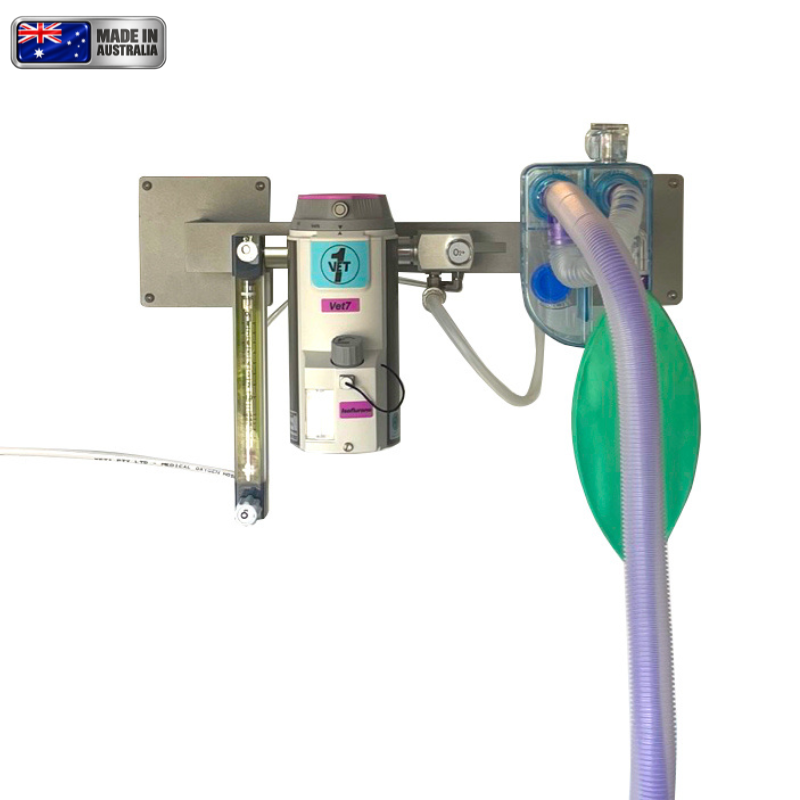
1. Disconnect the breathing circuit from the fresh gas outlet
2. Occlude the outlet with your thumb
3. Turn the oxygen flowmeter on to 1-2 litre
4. The bobbin will gradually drop over a 5 second period. If this fails to happen, you may have a leak across one or more components of the machine - flowmeter, vaporiser, fresh gas outlet
5. Check fittings that you can easily access
6. If the problem persists, resist the temptation to pull out the tools and dismantle the machine! This is a job for a professional medical service person
Low pressure check - prior to each case
1. Reconnect the breathing circuit to fresh gas outlet.
2. Close Soda lime Canister Scav Valve and occlude patient end of circuit with your thumb or a small Rebreathing Bag
3. Turn the oxygen flowmeter on to approximately 2liters to fill the circuit with oxygen
4. Turn off when the rebreathing bag becomes full (no wrinkles)
5. Gently squeeze the bag
6. There should be no pressure loss for 10 - 20 seconds. A collapse in the bag indicates a leak in the low-pressure system which is usually easily identified (holes or cracks in bags or tubing, Scav valve not closed etc.)
7. Ideally a Manometer Guage should be used to verify if there are any leaks. These are great for prevention of Barotrauma
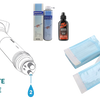
8. Soapy water is a useful aid to identifying leak sites. Brush a small amount on to fittings, tubing, rebreathing bags, etc. and watch for any bubbling of the detergent
Once you have completed your checking procedure, you can go ahead with your surgery knowing your equipment is sound and safe. The whole routine takes only a few minutes each day - but ensures peace of mind which is priceless!
- Posted in:
- anaesthetic machines
- Tips